
The Current Landscape: Integrating BIM, IoT, and Robotics in Modern Projects
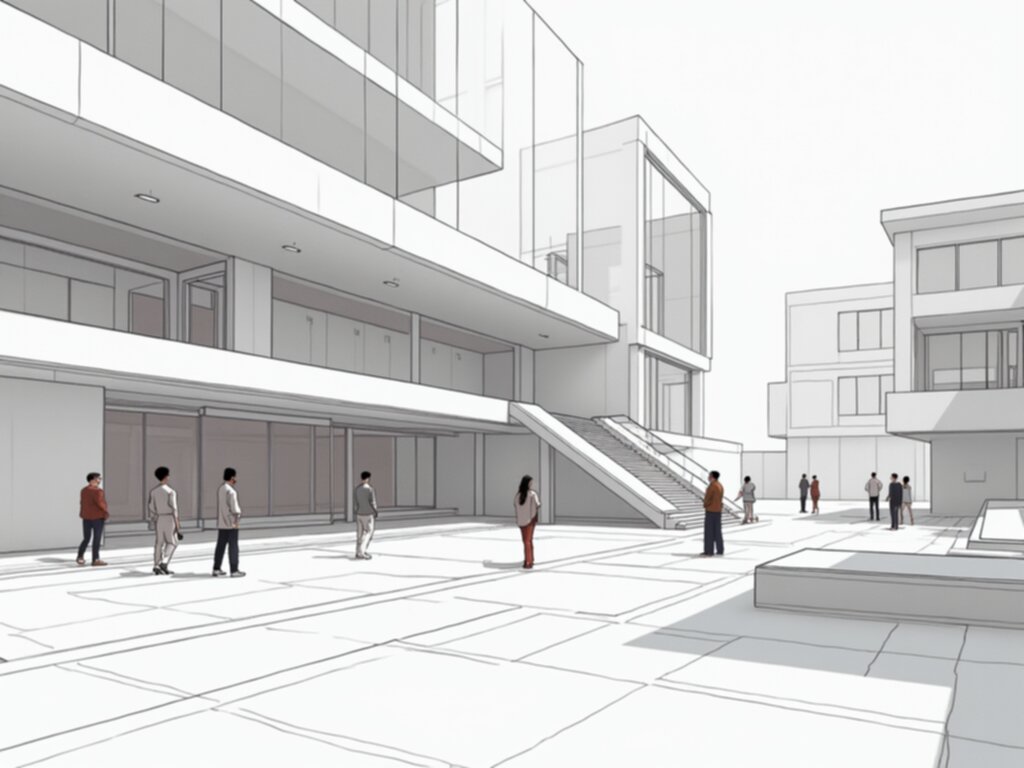
Walking onto a high-stakes construction site lately feels less like visiting a dusty yard and more like stepping inside a living, breathing computer. We've finally moved past the era where BIM was just a fancy 3D map; now, it’s the literal nervous system sending direct commands to autonomous robots on the ground. I've been looking at the numbers, and the way these models feed data to robotic systems has slashed rework from spatial clashes by about 22%—which is huge when you consider how much money usually gets burned on simple layout errors. And it's not just a few gadgets here and there, because on projects over $500 million, we’re seeing a massive density of IoT sensors—regularly over 1.5 nodes for every 10
Key Drivers and Barriers to Smart Technology Adoption in the AEC Industry
You know that feeling when you're looking at a massive bill for a new tech stack and wondering if it’s actually worth the headache? I’ve been digging into the data lately, and it turns out that for mid-sized firms, the cost of sitting on your hands is now about 14% higher than just biting the bullet and buying the gear. It’s not just about being faster anymore; honestly, in places like Europe, you can’t even get a foot in the door without IoT sensors tracking every ounce of carbon on site. But here’s the weird part I didn’t expect: the biggest thing holding us back isn't a lack of cash or needing a genius coder. It’s actually our own data literacy—or lack thereof—since
Future Outlook: Scaling Smart Solutions for Global Sustainable Development
Look, we've seen the current tech stack making sites cleaner and faster, right? But now we're staring down the barrel of scaling this stuff up globally, which feels like trying to fit a skyscraper onto a Lego baseplate. I’m really interested in how digital twins are going to hit that 65% deployment mark by 2028, mostly because governments are finally forcing everyone to track lifecycle carbon—it’s not optional anymore. Think about generative AI designing things; it’s not just making pretty pictures, but we're seeing estimates that it cuts material waste by another eight percent on top of what we’re already doing—that's real savings, not just theory. And you know how much energy buildings just bleed away? Well, the smart systems are showing a solid eighteen percent drop in sustained energy use, which is a massive win for our sustainability goals, frankly. But here’s the sticking point I keep circling back to: all this amazing data is trapped in proprietary silos, because fewer than thirty percent of construction data formats actually talk to each other nicely. If we don't solve that interoperability issue soon, all those AI gains just hit a wall, and maybe it’s just me, but that feels like a huge risk to the whole "scaling smart" narrative we keep hearing. We’ll likely see blockchain step in big time to prove where materials came from, especially with those strict EU mandates coming for embodied carbon verification by 2030. Honestly, getting the current workforce trained up in data science to even manage these robots is going to take a serious chunk of change, maybe four percent of yearly revenue across developed nations, so this isn't cheap talk. We have the tech; the real challenge now is untangling the bureaucratic and educational knots so we can actually build cleaner, faster everywhere, not just on the flagship projects.